Tuesday, March 29, 2011

Charles Rennie Mackintosh (June 7, 1868 – December 10, 1928)

                                                                                                            
Faded Roses
1905

Mackintosh is mostly remembered today as an architect, which to me is rather odd; I believe that his paintings, watercolors, etc. far exceeded in value his architecture. And above all, his ability to depict flowers is so extraordinarily stunning, I can't imagine how he's nearly completely faded out of the Art World's awareness. I suppose, if anything, it's the general apathy felt by nearly everyone towards still lifes. Unfair. 

Full Moon in September
1892

Petunias
1916

In Fairyland
1897

Anemones
1916

At the Edge of the Wood
1913

Monday, March 28, 2011

Caspar David Friedrich (September 5, 1774 – May 7, 1840)

                                                                                          
Monastery Graveyard in the Snow
1817-1819

Friedrich's life was melancholy, isolated and little lauded, yet after his death his influence became monolithic. Besides the amazing technique that he displayed in his works, there is a tremendous thematic power that overwhelms most observers when they stare into them. There is a pervasive loneliness and miniaturization of the human spirit in his works, which he did not mean simply as an expression of his own depression, but as a representation of his love for the spiritual over the material. There are no Romanticists I can think of whose works more clearly establish their consciences and souls than those of Friedrich. 

Eldena Ruin
1825

Two Men Contemplating the Moon
1819-1820

Winter Landscape
1811 

Self-Portrait
1810

Sunday, March 27, 2011

Robert Delaunay (April 12, 1885 – October 25, 1941)

                                                                                                
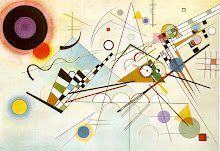
Circular Forms
1930
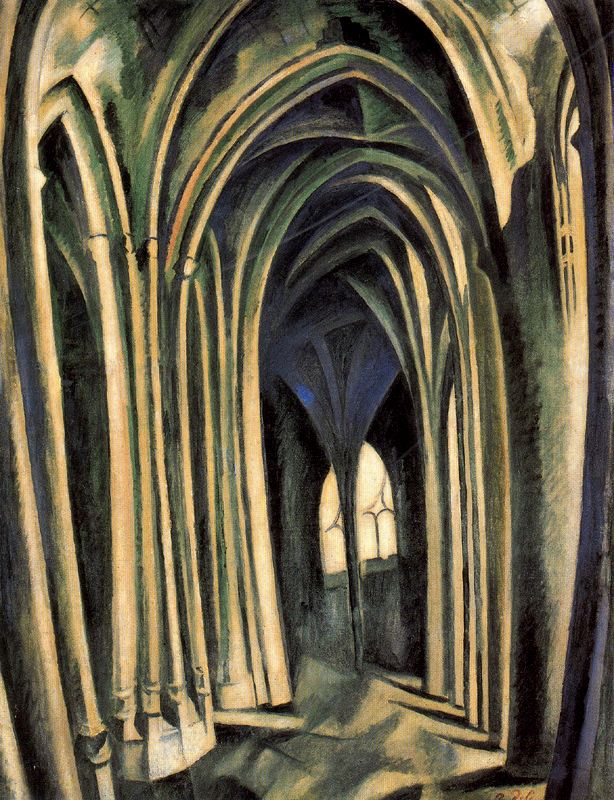
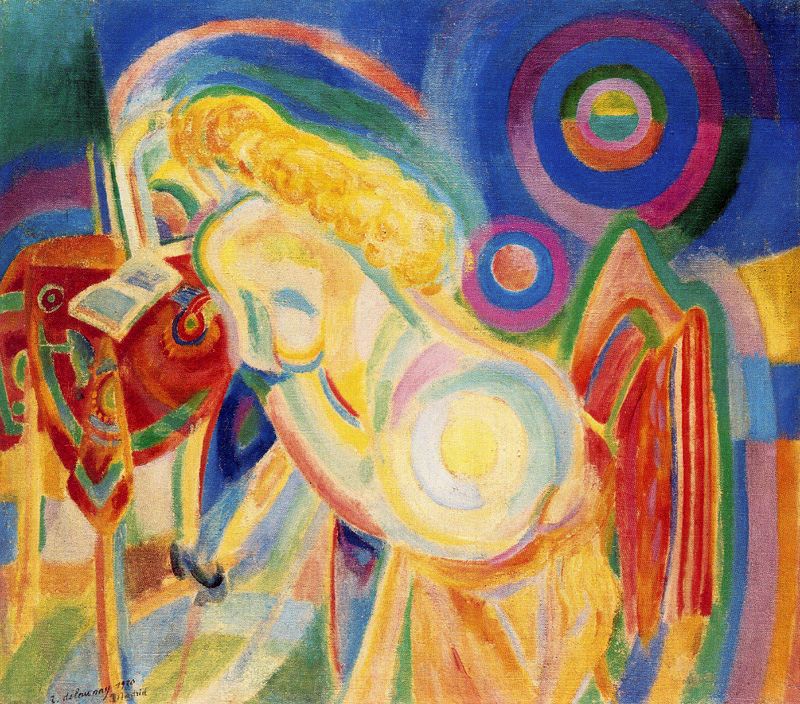
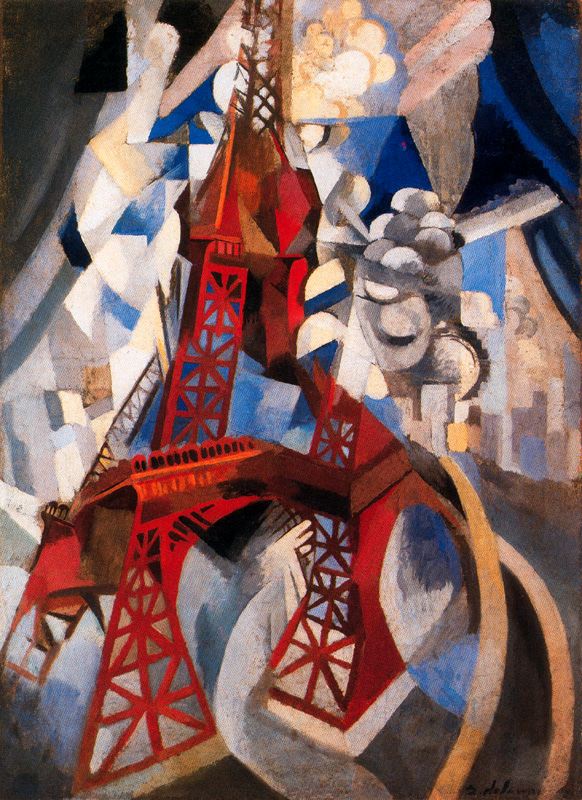
Delaunay was one of those turn-of-the-century painters that acted as a midwife for all those wonderful styles that developed in that period. His best known paintings are colorful and full of varying circles, a style no doubt influenced by Kandinsky: Delaunay was a part of the Der Blaue Reiter group.

The City
1911

Saint-Séverin No. 3
1909-1910

Nude Woman Reading
1920

Champs de Mars: The Red Tower
1911/1923

The Three Graces
1912

Man with a Tulip or Portrait of Jean Metzinger
1906

Saturday, March 26, 2011

William-Adolphe Bouguereau (November 30, 1825 – August 19, 1905)

                                                                                                  
Dante and Virgil in Hell
1850

During the revolution of the Impressionist movement, Bouguereau's anachronistic style was viewed rather negatively by those who cheered for the novelty of the likes of Degas, who was himself a harsh critic of Bouguereau. Even today, when the triumph of Impressionism in contemporary critical circles is nearly complete, Academic art is viewed as the old guard of its time, unable to move and unable to adept. Yet to me the whole matter stinks of envy; Bouguereau was a genius in his own fashion, whose original popularity and crispness should never have been held against him. 

The Rapture of Psyche
1895

Biblis
1884

The Madonna of Roses
1903

Birth of Venus
1879

Self-Portrait
1879

Friday, March 25, 2011

Rosso Fiorentino (March 8, 1494 Florence - November 14, 1540)

                                                                                                  
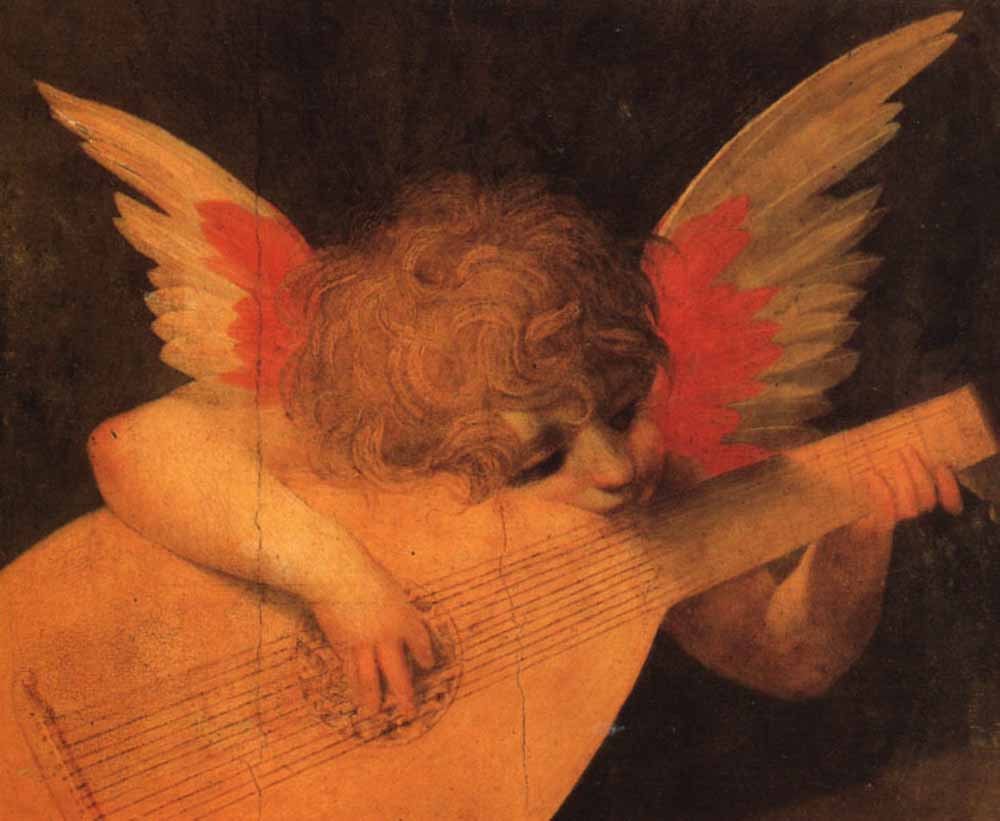
Musician Angel
1520

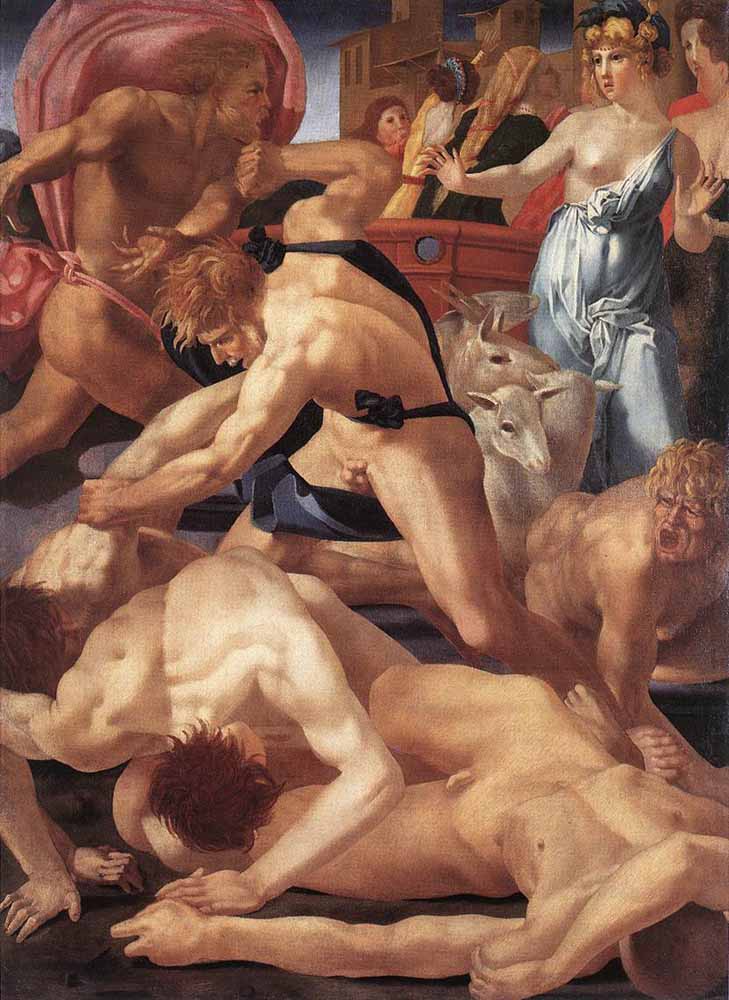
Rosso Fiorentino (Red-headed Florentine), Giovanni Battista di Jacopo, was one of the greatest Mannerists, yet he's not held in as great a favor as many other painters of the Renaissance. I suppose there's a stylized fashion in his works that somehow repulses critics. Personally, I think he's incredibly original, and was one of the most obvious precursors of the sublimely wondrous El Greco. And what powerful softness he could create in an image as well, especially in his famous piece at the head of the post, Musician Angel.

Moses Defending the Daughters of Jethro
1523-1524

A Young Man
1517-1518

Pietà
1537-1540 

Madonna and Child with Putti
1517

Deposition
1521

Thursday, March 24, 2011

Giotto di Bondone (c. 1266 – January 8, 1337)

                                                                                                                        
Scenes from the Life of Christ: 9. Raising of Lazarus
1304-1306

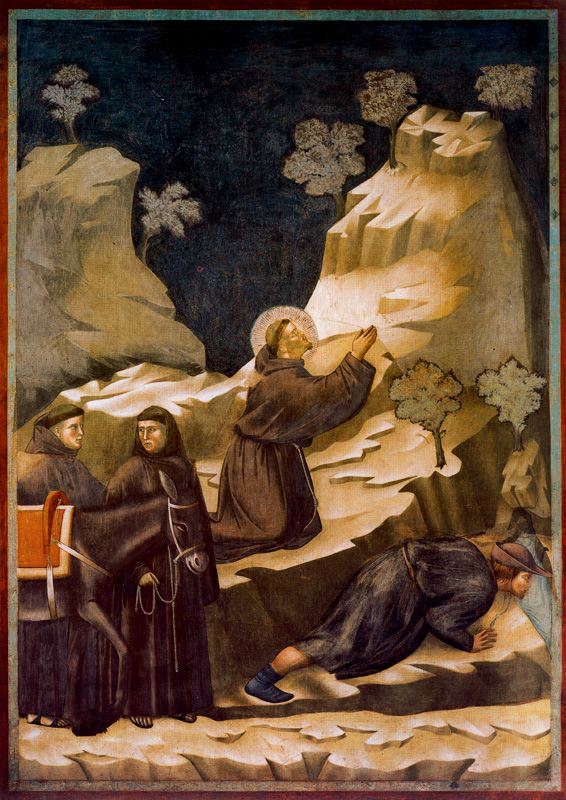
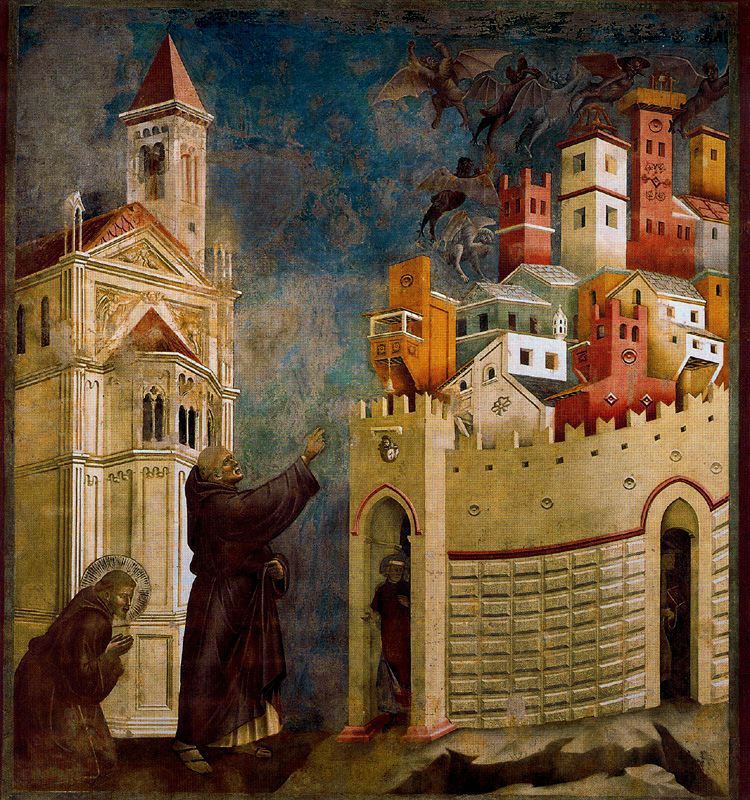
I love the Early Renaissance so much because of artists such as Giotto di Bondone. Those artists preserved, at least to some extent, the powerful and florid depictions that characterized Gothic art (in fact, the Early Renaissance (or portions of it) are often referred to as Late Gothic). Bondone's art was highly lauded in his lifetime, though his personal appearance was not quite applauded. On the latter point, it's interesting how much an artist and his art are, in the minds of appreciators, conceptually indivisible, when they are often separated by leagues. I especially love Bondone's depictions of animals, which are beautifully quaint. 

The Miracle of the Spring
1297-1300

Joachim's Sacrifice
1302-1305

The Expulsion of the Demons from Arezzo
1295-1300

Lamentation over Dead Christ
1302-1305

Wednesday, March 23, 2011

Sol LeWitt (September 9, 1928 - April 8, 2007)

                                                                                                
Fivepointed Star with Bands of Color
1991

LeWitt was one of the earliest proponents of Minimalism and Conceptual Art, though I'll include the latter in a future post. LeWitt is deeply loved by many people, and for that reason I've included him on Daily Artist. But, I can't really find myself enjoying his pieces. Can anyone say anything that would change my mind?
 
Circle
1982

Scribbles on Color
1990

Cube with Colors Superimposed
1987

Walking Figure
1961