Showing posts with label Cubism. Show all posts

Friday, May 20, 2011

Marc Chagall (July 6, 1887 – 28 March 28, 1985)

                                                                                                               
Bella with White Collar
1917

As a quick note, I'm leaving the city for a couple of days and, while I can usually post from away, this time I'll be in a desolate forested area, which will almost certainly have no reception. So, until the end of the weekend keep your expectations low for new posts. 

Now, to Chagall. The influence and stature of Chagall in the artistic community is tremendous, and even those  in the artistic community who take no pleasure in his work recognize him as a great painter. While there is a lot to laud in terms of Chagall's content,–the noted symbolism of which, he claimed to be unintentional and merely a viewer's subjective experience–it his use of color that he is best known for: a development from the Fauvist movement. It's perhaps a viable argument that, aside from Kandinsky, Chagall had the best sense of color in the 20th century. I'll round out this text with one of my favorite quotes by Chagall; "My name is Marc, my emotional life is sensitive and my purse is empty, but they say I have talent."

The Concert
1957

The Praying Jew
1914

Red Nude Sitting Up
1908

Cemetery Gates
1917

Paris Through the Window
1913

The Sun of Paris
1975

The Old Jew
1912

The Comedians
1968

Self-Portrait with White Collar
1914

Thursday, April 21, 2011

Roger de la Fresnaye (July 11, 1885 - November 27, 1925)

                                                                                                
Conjugal Life
1913

Fresnaya was a soft combination of Cubism and Fauvism; I say soft, because the Fauvist aspects were rather lightly applied. But perhaps "soft" can be carried over to the overall character of his works, which, even though they contained harsh lines representing naturally smooth objects, still somehow retained a very gentle overall character. And ultimately Fresnaya himself was a soft character, whose health declined rapidly after his service in WWI, culminating in a very untimely death. 

The Factory Chimney, Meulan Landscape
1912 

Man with a Red Kerchief
1922

The Allée des Acacias in the Bois de Boulogne
1908

The Conquest of the Air
1913

Sunday, March 27, 2011

Robert Delaunay (April 12, 1885 – October 25, 1941)

                                                                                                
Circular Forms
1930
Delaunay was one of those turn-of-the-century painters that acted as a midwife for all those wonderful styles that developed in that period. His best known paintings are colorful and full of varying circles, a style no doubt influenced by Kandinsky: Delaunay was a part of the Der Blaue Reiter group.

The City
1911

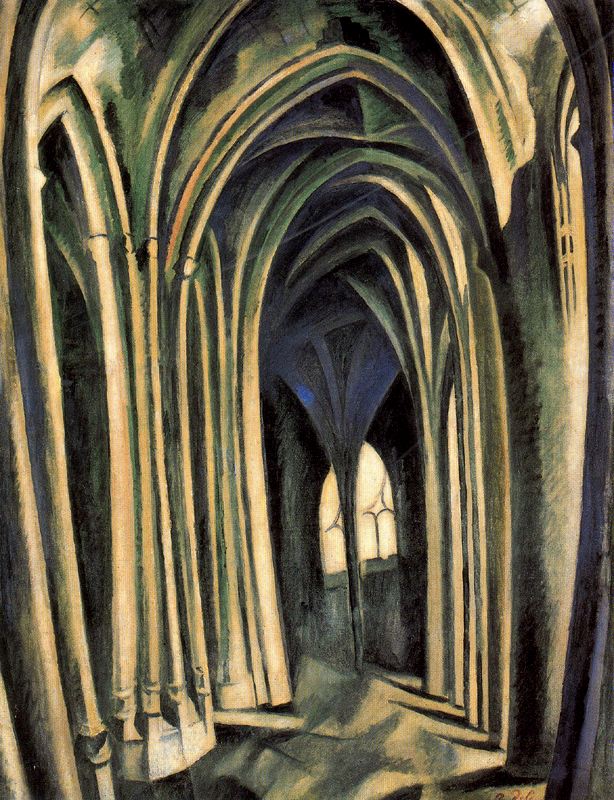
Saint-Séverin No. 3
1909-1910

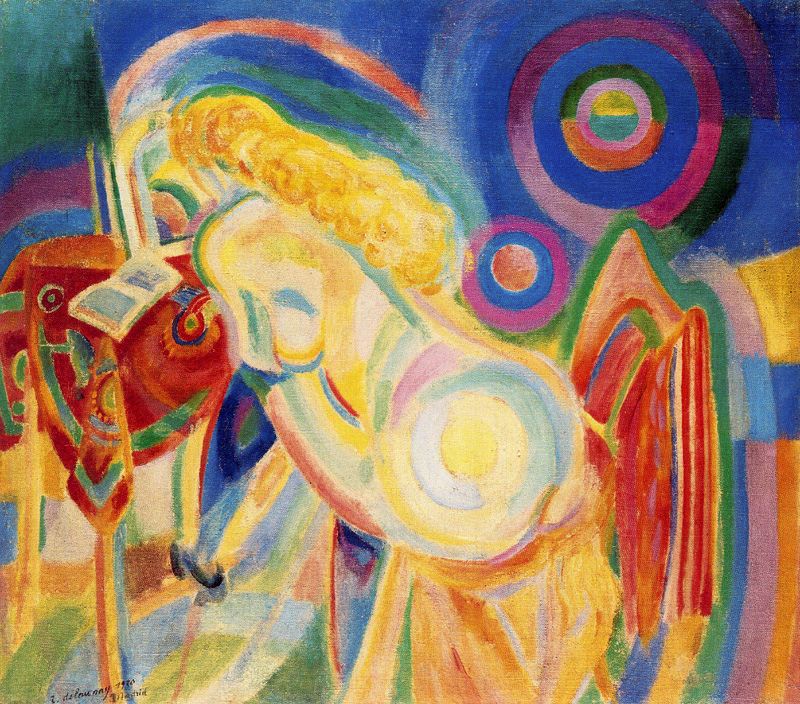
Nude Woman Reading
1920

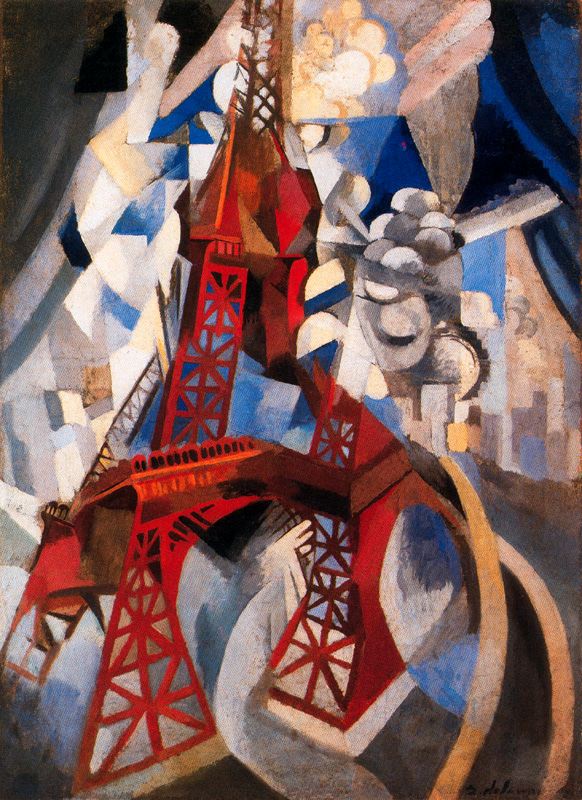
Champs de Mars: The Red Tower
1911/1923

The Three Graces
1912

Man with a Tulip or Portrait of Jean Metzinger
1906

Sunday, March 6, 2011

Kazimir Malevich (February 23, 1879 – May 15, 1935)

                                                                                              
Self-Portrait
1911

Malevich was a massively prolific painter, whose various styles I tried, for fun, to capture in this post, and I think I've failed. Honestly I'm sure there must be some Impressionist and Post-Impressionist pieces of his out there that I haven't found, not to mention a slew of other styles that he worked in that I might be neglecting–oh well! 

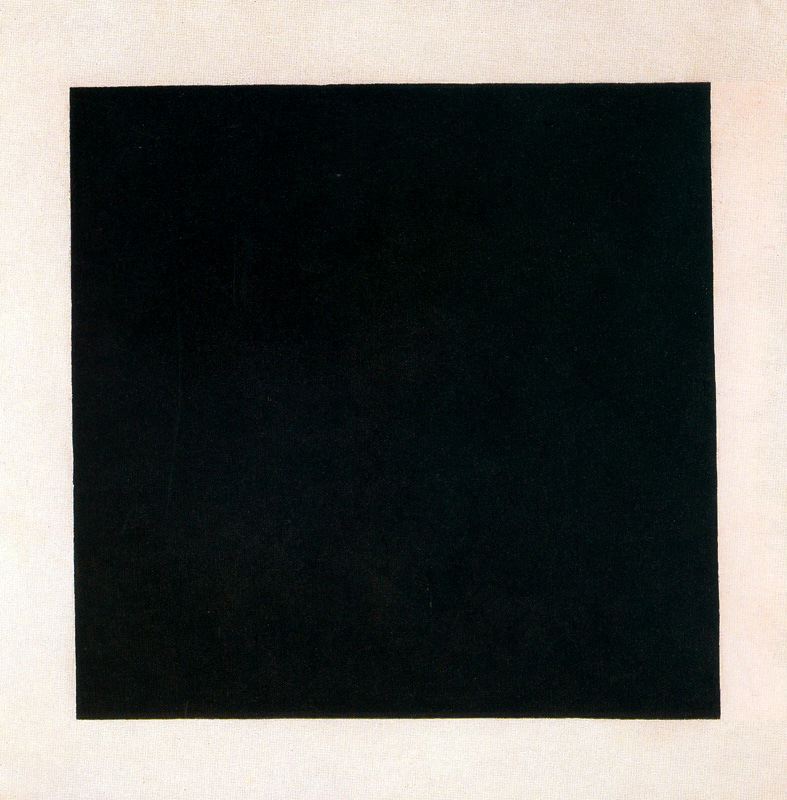
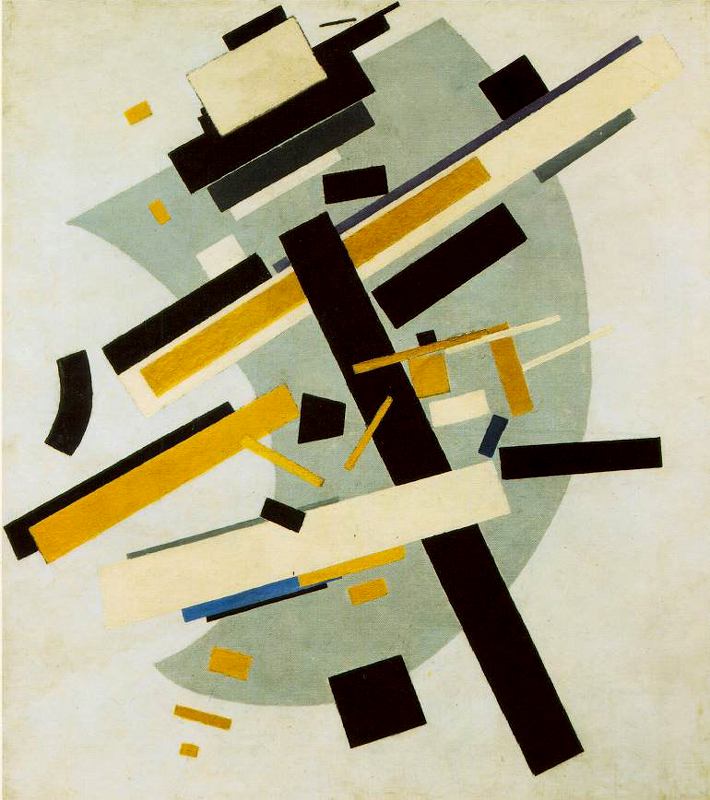
Anyway, Malevich created a style known as Suprematism, which is founded upon the idea of using basic geometric shapes as the focus of a painting. His masterpiece in the style can be seen below, Black Square, which also at one dark time hung above his deathbed (or, rather, a version of it did). He described the creation of the Black Square thusly: "I felt only night within me and it was then that I conceived the new art, which I called Suprematism."

Black Square
1923-1929

Knife Grinder (Principle of Flickering)
1913

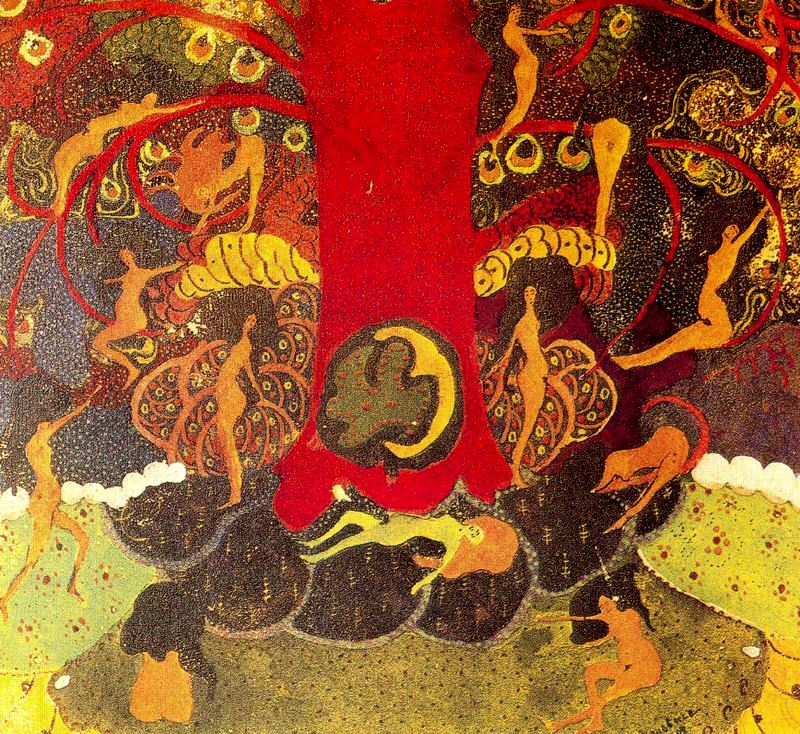
Oak and Dryads
1908 

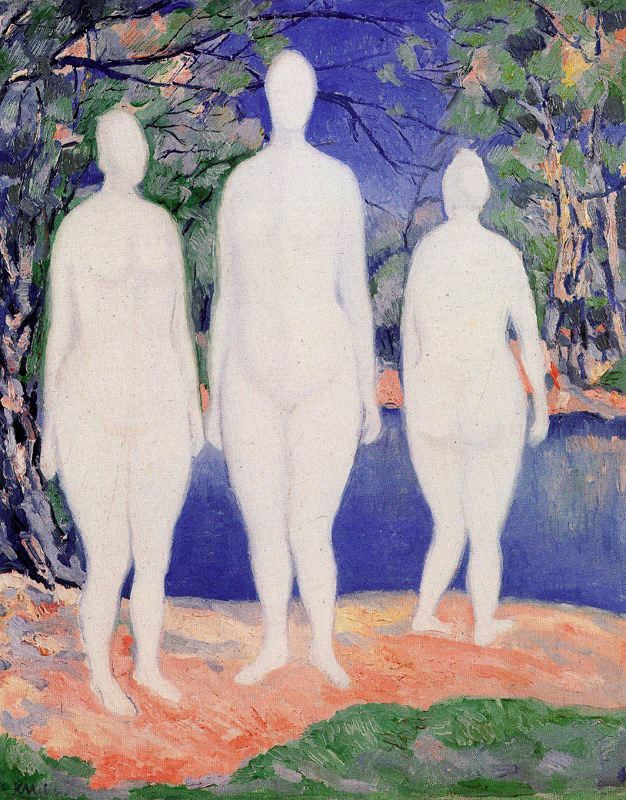
The Female Bathers
1908

Suprematism (Supremus 58)
1916

Haymaking
1928

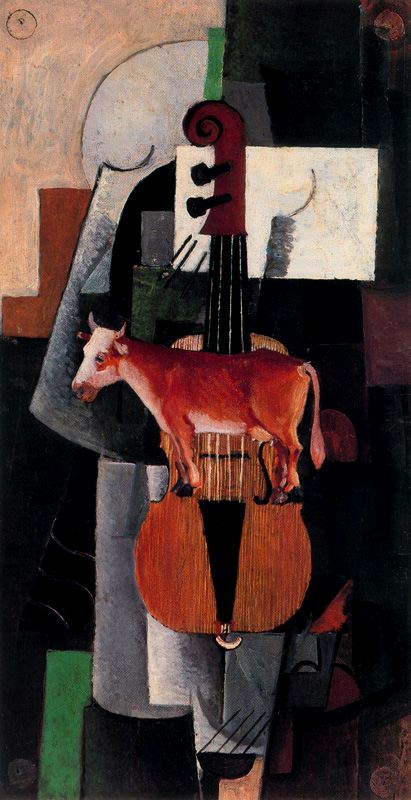
Cow and Violin
1913

Airplane Flying
1915

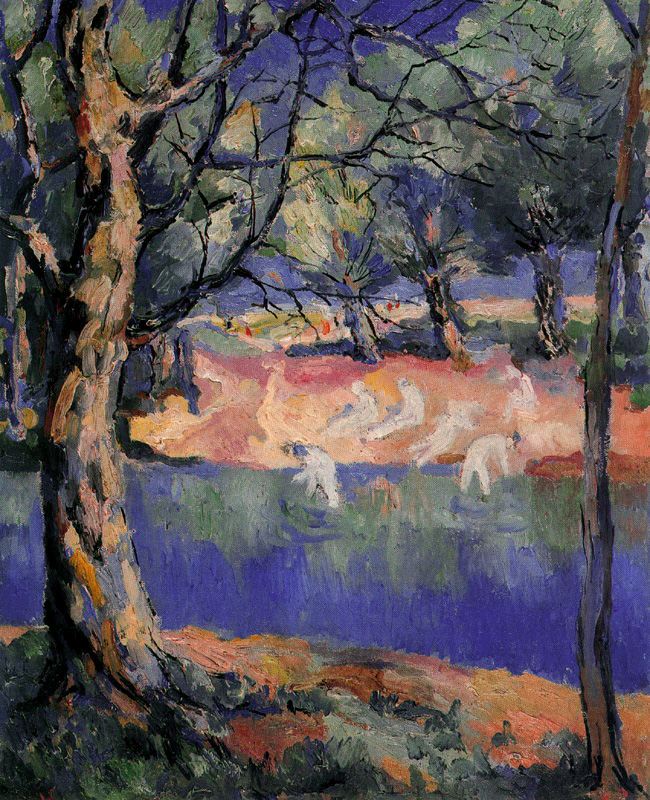
River in the Forest
1908

As an interesting–to me–aside, I believe there's an English translation of The Master and Margarita, by Mikhail Bulgakov, that uses the below painting, An Englishman in Moscow, on its cover.
An Englishman in Moscow
1914

Sunday, February 13, 2011

Charles Demuth (November 8, 1883 - October 23, 1935)

                                                                                            
The Figure 5 in Gold
1928 

The Great Figure
by William Carlos Williams

Among the rain
and lights
I saw the figure 5 
in gold
on a red
firetruck
moving 
tense
unheeded
to gong clangs
siren howls
and wheels rumbling
through the dark city.

Charles Demuth was one of the major painters in the Precisionist movement or, an alternate name that rather aptly describes the style, Cubist Realism. Perhaps the most famous piece in the movement, and the nearest to abstraction the movement came, is the The Figure 5 in Gold, which was inspired by that famous poem, posted above, by WCW, a friend of Demuth. Also, Demuth is renowned for his Expressionist watercolors, which are extremely well stylized, and are often preferred to his more famous Precisionist paintings.

Man and Woman, Provincetown
1934

Modern Conveniences
1921

Red-Roofed Houses
1917

In Vaudeville: The Green Dancer
1916

My Egypt
1927

Saturday, February 12, 2011

René Magritte (November 21, 1898 – August 15, 1967)

                                                                                              
Golconda
1953

Magritte is the best known Surrealist next to Dalí. Of course, as you can see, he experimented masterfully in a variety of styles, such as Cubism and Fauvism. Magritte thought of his works as "visible images which conceal nothing. They evoke mystery and, indeed, when one sees one of my pictures, one asks oneself this simple question, 'What does that mean?' It does not mean anything, because mystery means nothing either, it is unknowable."

Self-Portrait
1923

The Difficult Crossing
1926

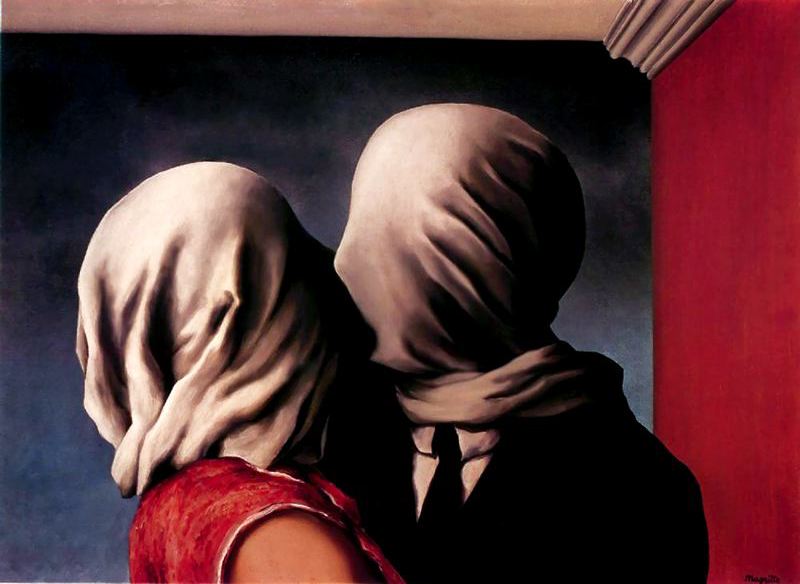
The Lovers II
1928

The Empire of Light
1954

Dizziness
1947

Wednesday, February 9, 2011

Lyonel Feininger (July 17, 1871 – January 13, 1956)

                                                                                    
Ships
1917

Feininger was a very talented Cubist and Expressionist, who's fallen a bit into obscurity these days. I feel his greatest talent rested in depicting living bodies of water despite the difficulties the style of Cubism brought to the representation of life. Besides painting, Lyonel was known for branching into comic strips as well as being an able pianist and composer, though, like his paintings, all the former have slid into oblivion. 

Jesuits III
1915

Architecture II (The Man From Potin)
1921

On the Bridge (Ober-Weimar)
1913

Blue Coast
1944